Who Can Appraise a Stringed Instrument in Mission BC
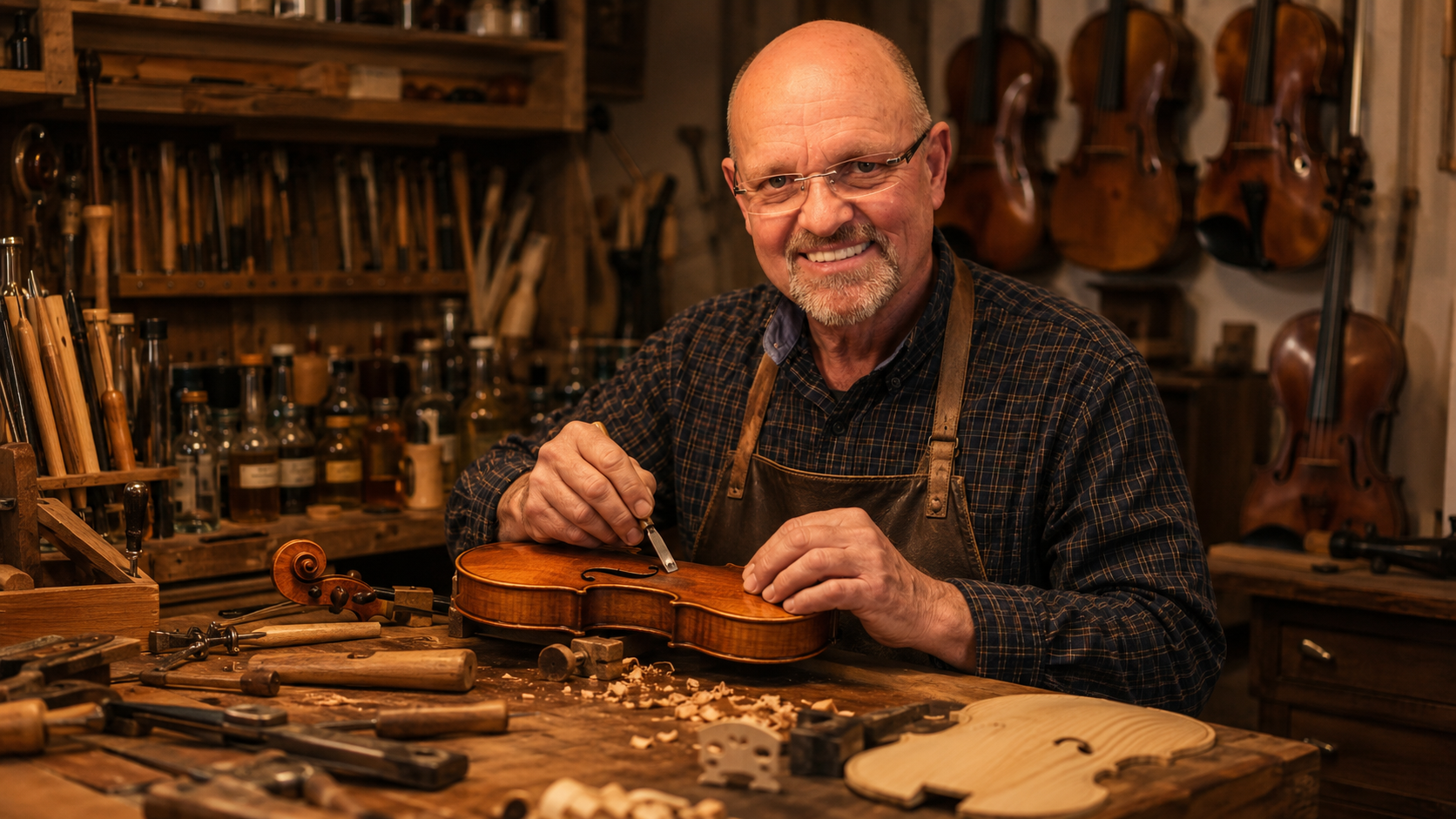
You have a violin, a viola, or a cello sitting in its case, and at some point a real question surfaces: what is this instrument actually worth? Whether you need the answer for insurance, for an estate, for a potential sale, or simply because you have been carrying this instrument for years without knowing, the question deserves a real answer from the right person.
In Mission, BC, that person is Hermann Janzen of Janzen Violins.
Why the Source of the Appraisal Matters
A stringed instrument is not a generic object with a predictable resale curve. Its value depends on who made it, when, where, and under what conditions. It depends on the wood, the construction method, the varnish, the scroll, the condition of the top and back plates, the state of the seams, the quality and age of the fittings, and whether any repairs have been made, and how well. It depends on the bow that came with it, which can materially affect the total value of the outfit. And it depends on what the market for comparable instruments currently looks like.
None of those variables are legible to a general resale business. A luthier reads them the way a physician reads an X-ray: because they have spent years learning the language the instrument is speaking.
A luthier appraisal is not a price quote. It is a documented professional judgment about what an instrument is, what it is worth, and why, written in terms that insurers, estate lawyers, and auction houses recognize as authoritative.
Hermann Janzen is listed in The Strad directory, the most authoritative international publication for string players and makers. His instruments have appeared in resale through Bay Fine Strings, a respected high-end string instrument marketplace in Vancouver. When he examines an instrument, he is not estimating. He is reading it, the way someone who builds violins from raw wood reads the decisions another maker made, and what those decisions mean for the instrument's identity and its value.
The Difference Between Appraisal Types
Before you bring an instrument in, it helps to understand that not all appraisals serve the same purpose, and the values they produce are not interchangeable.
Replacement value is what it would cost to replace your instrument with one of comparable quality through an appropriate retail or maker channel. This is the figure most relevant to insurance coverage. It is generally higher than what you would receive if you sold the instrument today, because it accounts for the cost of finding, acquiring, and setting up a comparable replacement.
Fair market value is what a willing buyer would pay a willing seller in the relevant market, with neither party under pressure. This is the figure relevant to a potential sale, an estate settlement, a charitable donation, or a tax-related purpose.
A condition assessment is a detailed examination of the instrument's physical state: any cracks, repairs, alterations, wear patterns, and structural concerns that affect playability, stability, and value. This is often the foundation on which the other appraisal types rest.
These are distinct services, and confirming which one you need before your appointment is worth doing. Contact Janzen Violins at 604-807-7153 or [email protected] and describe your situation. Hermann can help you identify the right kind of appraisal before you arrive.
What to Bring to the Appointment
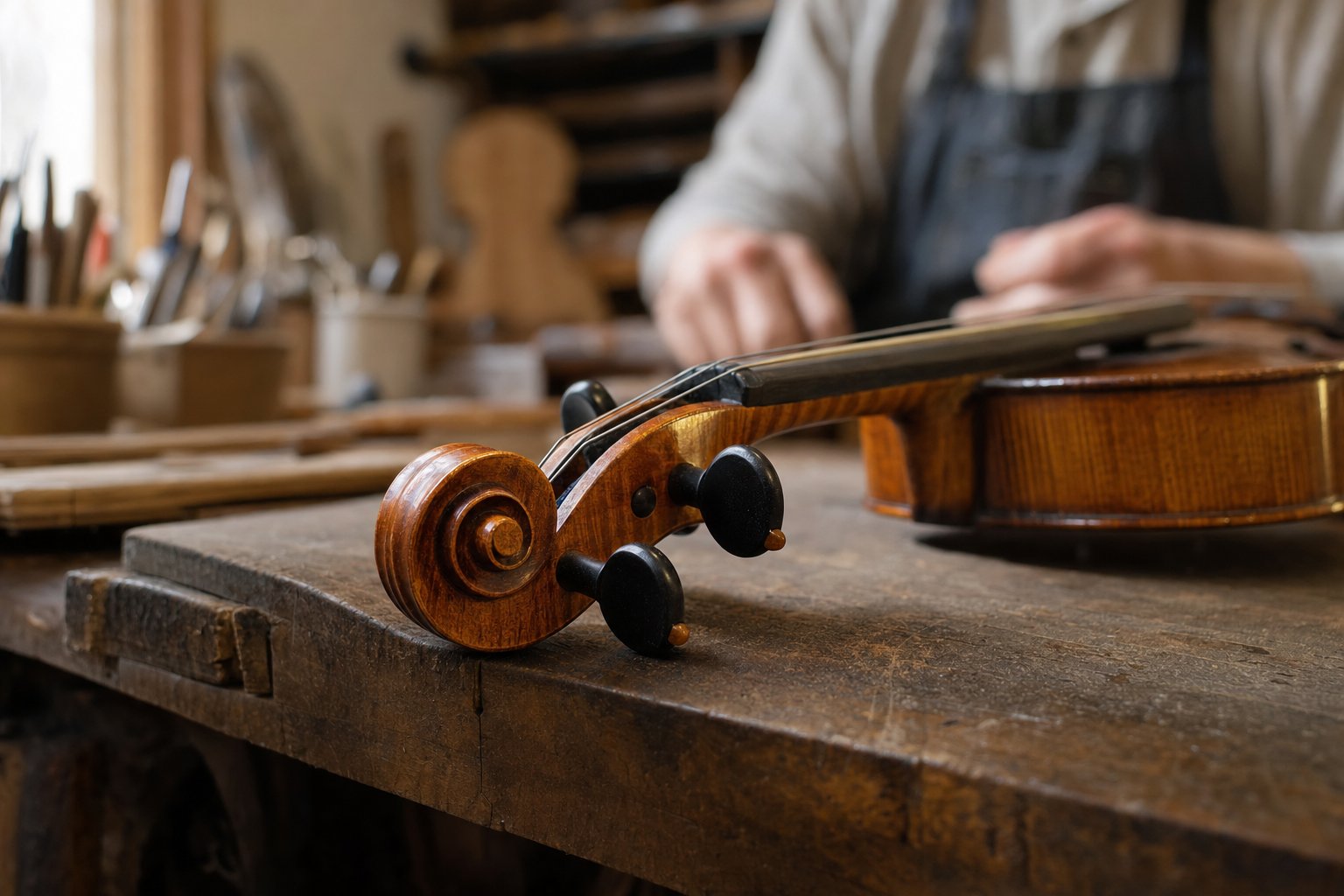
Bring the complete instrument. That means the violin or viola or cello itself, the bow, the case, and every document you have that connects to its history or ownership.
Useful records include:
- Previous appraisals, even old or informal ones
- Purchase receipts or auction records
- Certificates of attribution or authenticity
- Repair invoices from any luthier or shop
- Photographs showing the instrument in earlier condition
- Any information about previous owners, particularly if the instrument passed through notable hands
- Insurance records
An in-person examination is always preferable to an online estimate. The appraiser needs to hold the instrument, examine the interior through the f-holes, assess the condition of the varnish under real light, test the response under the bow, and evaluate the bow independently. A photograph cannot carry that information, and an estimate based on photographs alone carries significant uncertainty.
Bring everything you know about the instrument's history. Provenance does not always affect value in a dramatic way, but it sometimes does, and withholding it means the appraisal is working with an incomplete picture.
If the instrument has been in your family for generations, or if you acquired it through an estate, bring whatever documentation accompanied it. Even partial records help.
What a Professional Appraisal Report Contains
A written appraisal report from a professional luthier is a specific kind of document. It is not a receipt and it is not an opinion letter. A properly prepared appraisal typically includes a detailed physical description of the instrument, the appraisal purpose (insurance, sale, estate, donation), the valuation method used, an assessment of condition, any relevant provenance, and supporting market evidence for the value stated.
This matters because the people who will use the report, an insurance underwriter, an estate lawyer, a tax assessor, a potential buyer, will look for those components. A document that lacks them may not be accepted. A report from a luthier with Hermann Janzen's credentials, including a listing in The Strad directory and a documented history of instruments placed through respected dealers, carries the professional standing those parties expect.
If you need the appraisal for insurance purposes specifically, ask whether the report is formatted in the way your insurer requires. Some insurers have specific language or documentation standards, and it is easier to address that before the appointment than after the report is written.
The Bow Is Not an Afterthought
The bow is often the most undervalued part of a string player's outfit. Players and owners focus naturally on the instrument, and the bow travels in the case as an accessory. But bows by notable makers, or bows in exceptional condition, can account for a significant portion of the total value of the outfit, sometimes more than the instrument itself.
When you bring your instrument for appraisal, ask specifically whether the bow will be examined and valued separately. If the bow is a quality piece, leaving it out of the appraisal means your insurance coverage, your estate documentation, or your sale price is understating what you actually own.
This is one of the places where a luthier's examination differs most sharply from a general estimate. A luthier who builds and restores instruments understands the bow as a performance tool with its own maker history, its own condition variables, and its own market. That understanding is what a properly conducted appraisal draws on.
FAQ: What Players in Mission Ask Before Booking
What does a violin appraisal cost at Janzen Violins? Janzen Violins does not publish a fee schedule online, and the cost of an appraisal depends on the scope of the examination, the type of report required, and whether the bow and instrument are being assessed separately. The right approach is to contact Hermann directly at 604-807-7153 or [email protected], describe your situation and the purpose of the appraisal, and confirm the fee and format before your visit.
Can I get an appraisal by sending photographs? A photograph-based estimate is not a professional appraisal. An in-person examination allows the luthier to assess the instrument's condition, construction, repairs, and response in ways that photographs cannot carry. For insurance, estate, or sale purposes, the appraisal should be conducted in person.
How is a luthier appraisal different from what a pawnshop or general resale business would offer? A general resale business estimates the price it might offer to purchase the instrument, which is a function of its own resale margin rather than a professional judgment about the instrument's actual value. A luthier appraisal is a documented professional assessment of the instrument's identity, condition, and fair market or replacement value, based on knowledge of how instruments are made, how they are valued in the string instrument market, and what comparable instruments have sold for. The two figures can differ substantially, and only one is recognized by insurers, estate lawyers, and auction houses.
Does Hermann Janzen appraise violas and cellos as well as violins? Yes. Janzen Violins provides repair, restoration, and setup services for violin, viola, and cello, and the workshop's expertise extends across all three instruments. If you have a viola or cello that needs appraisal, contact the workshop directly to discuss the scope of the examination.
How far in advance do I need to book? Janzen Violins operates by appointment from its workshop in Mission, BC. Lead times will depend on the current schedule. Contacting the workshop in advance to describe your instrument and the purpose of the appraisal is the right first step, and it allows Hermann to prepare for the examination and confirm what documentation to bring.
The Right Starting Point
If you own a violin, viola, or cello in Mission or the surrounding Fraser Valley and you need a credible professional assessment of its value, the place to begin is Janzen Violins. The workshop is run by a single maker with the credentials, the technical depth, and the direct experience with fine instruments that a proper appraisal requires.
The conversation starts with a phone call or an email. Hermann Janzen can tell you what kind of appraisal fits your situation, what to bring, and what the process involves, before any commitment is made.
Contact Janzen Violins to discuss your instrument
Research sources8
Live web research informed this article. These are the sources it drew on.
- Repair and service for violins, violas, cellos, basses and ...riedstrasviolinshop.com
- Musical Instrument Insurance Program - Western Financial Groupwesternfinancialgroup.ca2025-05-07
- www.jrareviolins.com · services-1Services — JOSH DEAN RARE VIOLINSjrareviolins.com
- Property Assessment Searchbcassessment.ca
- A collector's guide to appraisalschubb.com
- www.georgeheinl.com · pages · appraisalAppraisal - George Heinl & Co. Limitedgeorgeheinl.com
- Musical Instrument Insurance | Front Row Insurancefrontrowinsurance.com2026-04-08
- Appraisals - Lashof Violinslashofviolins.com